Kuala Lumpur Convention Centre
Get a quote
WhatsApp
Share

A Food Waste Initiative Supporting Malaysia’s Hospitality Industry

Reducing food waste in hospitality requires more than awareness campaigns. It requires practical knowledge, operational experience and industry collaboration.
To help address this challenge, the Kuala Lumpur Convention Centre worked with hospitality partners, universities and sustainability organisations to develop a practical food waste management guidebook based on real kitchen operations in Malaysia.
A Hospitality Collaboration That Started Within the KLCC Precinct

A Hospitality Collaboration That Started Within the KLCC Precinct

Food waste remains a major operational issue across the hospitality sector. While many organisations have introduced sustainability targets, practical operational knowledge is often confined within individual kitchens and teams.
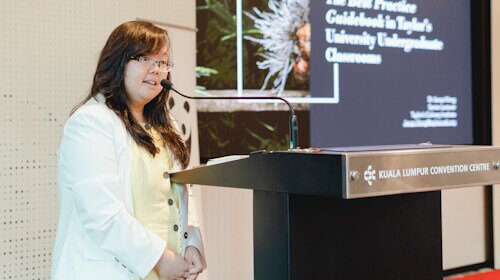
Recognising the need for stronger industry collaboration, the Kuala Lumpur Convention Centre began working with partners across the KLCC Precinct to exchange practical approaches to food waste management.

In 2023, chefs and hospitality teams from Mandarin Oriental Kuala Lumpur, Traders Hotel Kuala Lumpur, Impiana KLCC Hotel and Suria KLCC came together with support from WWF-Malaysia to discuss operational methods that could help reduce food waste in commercial kitchens.

The discussions focused on practical solutions already being implemented within hospitality operations, including ingredient preparation, storage management, kitchen workflows and portion planning.
Turning Real Kitchen Practices Into an Educational Resource

Turning Real Kitchen Practices Into an Educational Resource

As the collaboration progressed, it became clear that the knowledge being shared could provide long-term value beyond the participating organisations.
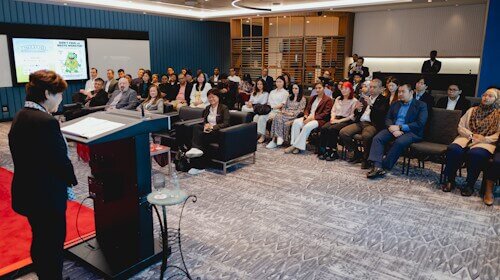
The initiative evolved into the development of a structured guidebook designed to support culinary education using real hospitality case studies from Malaysia.

In 2024, the project expanded with the participation of Taylor's University, UCSI University, Sunway Resort Hotel and The Westin Kuala Lumpur.

Additional operational insights and case studies from these organisations strengthened the guidebook by providing a broader perspective on hospitality kitchen practices and food waste reduction methods.

Impact Hub Kuala Lumpur was appointed to develop and structure the content into a practical educational resource suitable for hospitality and culinary students.
Developing a Food Waste Guidebook Grounded in Malaysian Hospitality Operations

Developing a Food Waste Guidebook Grounded in Malaysian Hospitality Operations

One of the key goals of the project was to ensure the guidebook reflected operational realities familiar to hospitality students in Malaysia.
Many sustainability references rely heavily on overseas examples that may not fully reflect local kitchen environments, operational challenges or hospitality workflows.

The Food Waste Best Practice Guidebook was therefore developed using examples, operational practices and case studies directly contributed by hospitality operators within Malaysia.

Throughout 2025, workshops and review sessions were conducted to refine the guidebook further and ensure the content remained practical, relevant and suitable for educational use.

The result is a resource designed not only to increase awareness of food waste issues, but also to provide actionable approaches that can realistically be applied within hospitality kitchens.
Official Launch of the Food Waste Best Practice Guidebook

Official Launch of the Food Waste Best Practice Guidebook

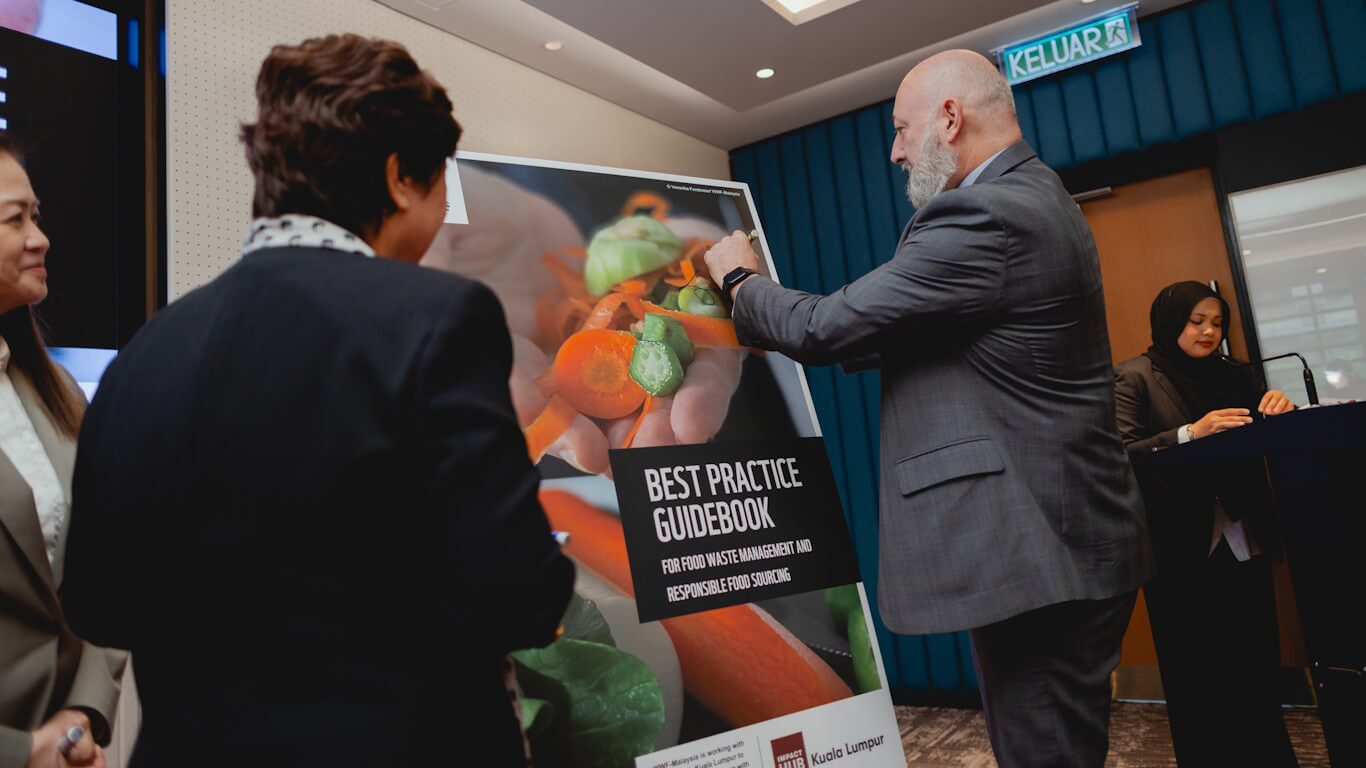
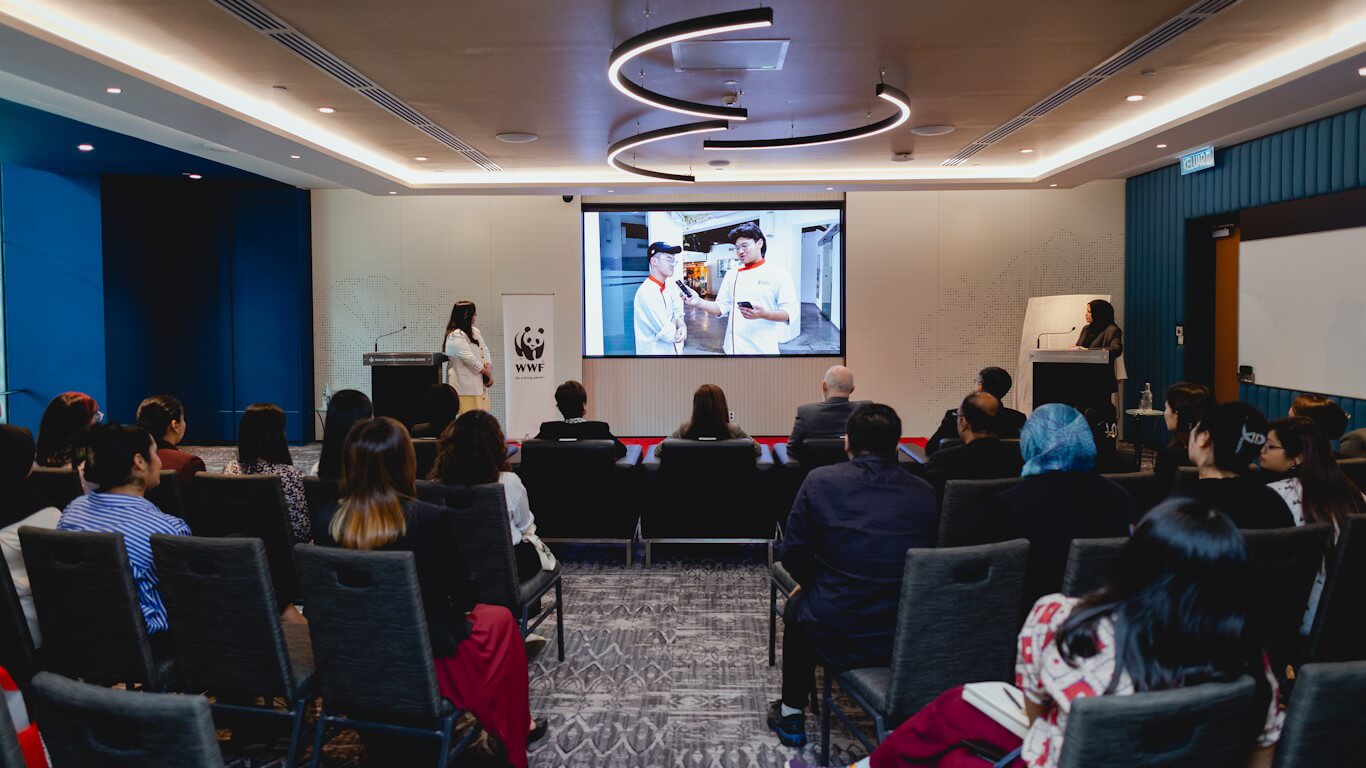
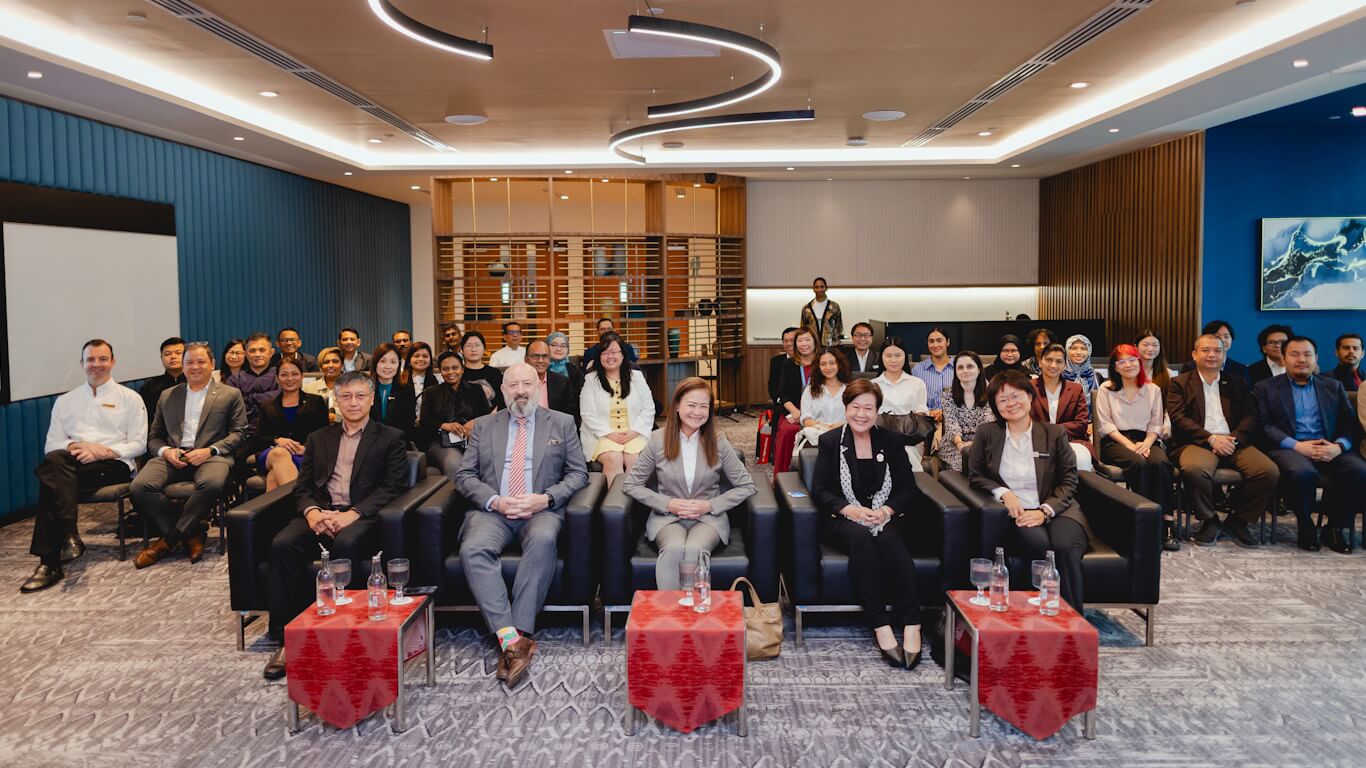
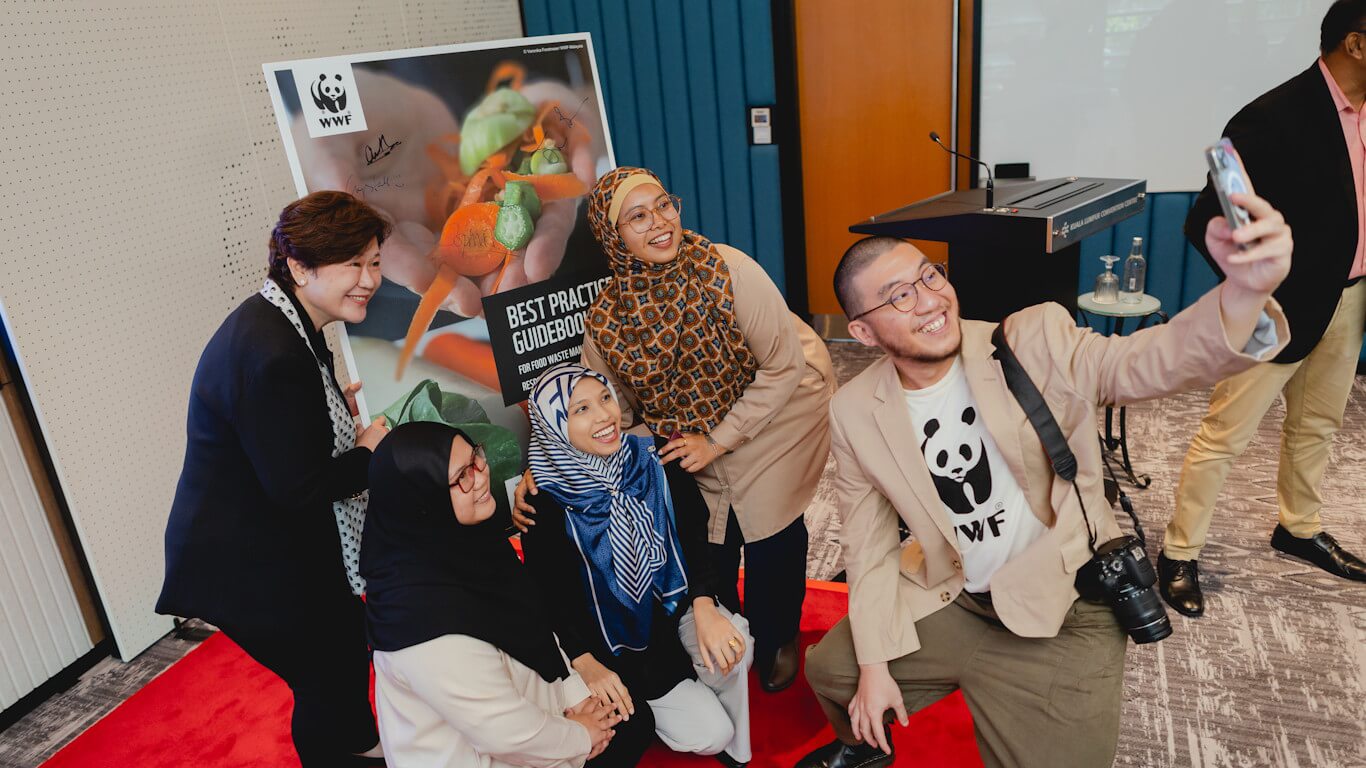
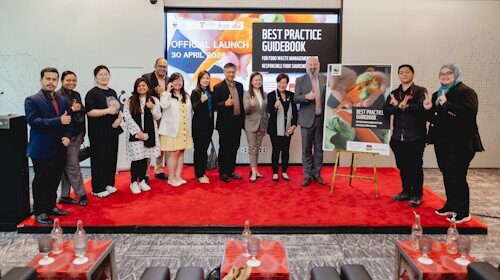
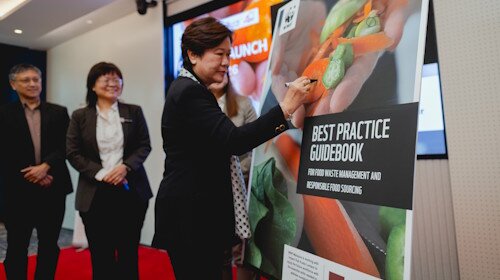
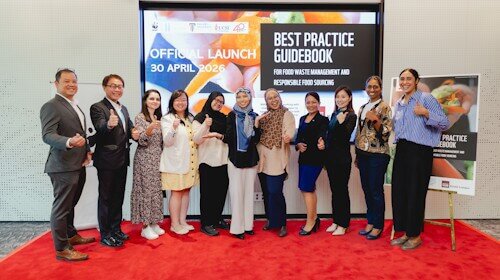
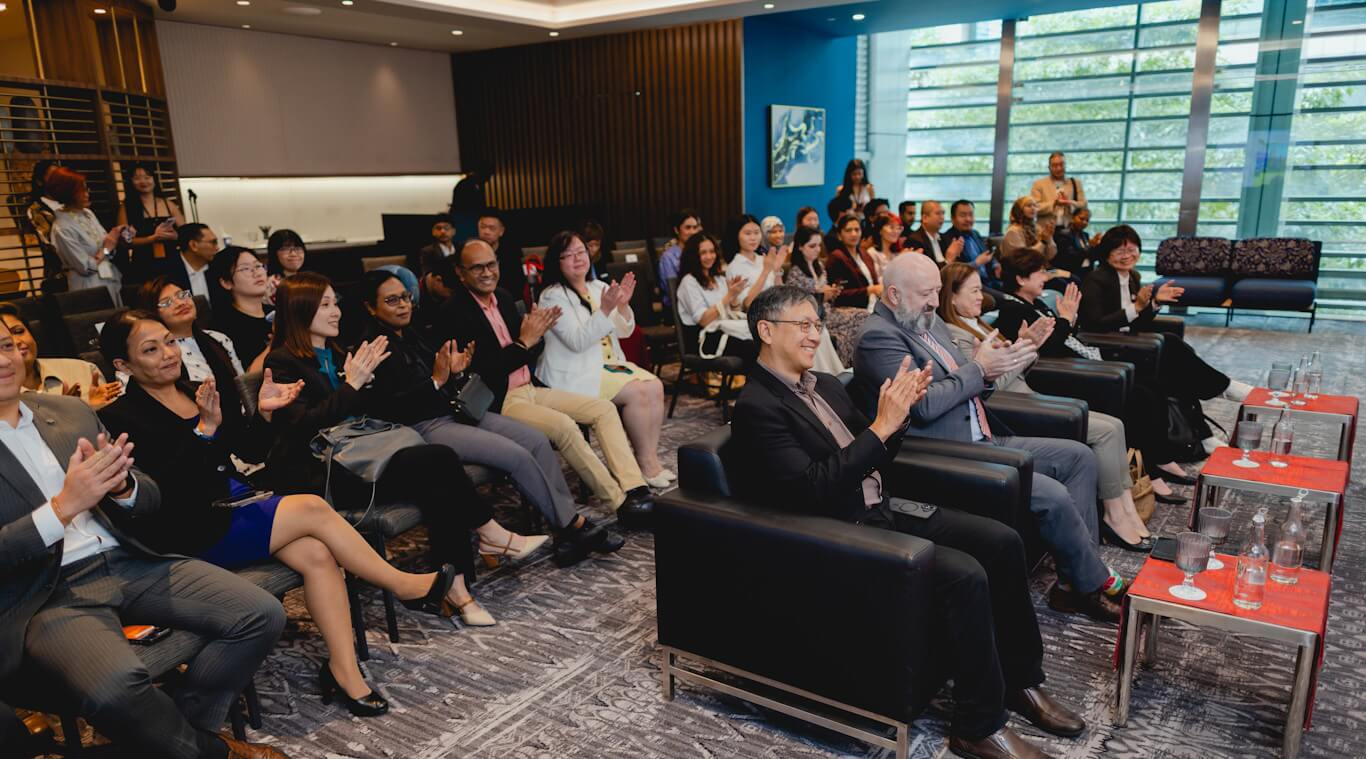
The Food Waste Best Practice Guidebook was officially launched in April 2026 with participation from leaders across the hospitality, sustainability and education sectors.
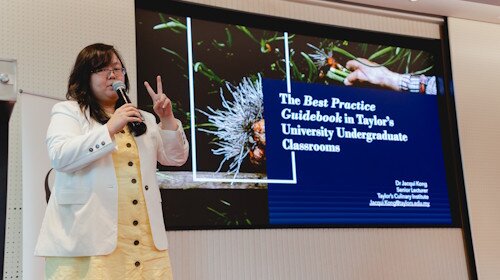
The launch brought together representatives from the Malaysian Association of Hotels, WWF-Malaysia, Taylor's University and UCSI University, reflecting growing industry interest in practical sustainability education within hospitality.

The guidebook is currently being used within Taylor's University, where students have responded positively to the use of local hospitality examples and relatable operational case studies.

Further adoption is expected as more institutions and hospitality operators explore ways to strengthen food waste management practices within culinary education and commercial kitchens.
Food Waste Management Is Becoming Increasingly Important Across Hospitality

Food Waste Management Is Becoming Increasingly Important Across Hospitality

Food waste management is receiving greater attention across the hospitality industry as hotels, convention centres and food service operators look for more responsible and efficient ways to manage kitchen operations.
In commercial kitchens, waste can occur during food preparation, storage, buffet service and portion planning. Beyond environmental impact, excessive food waste can also affect operational efficiency, ingredient utilisation and overall resource management.

As sustainability expectations continue to grow within the hospitality sector, practical kitchen management and waste reduction are becoming increasingly relevant for both hospitality operators and future culinary professionals.

For students preparing to enter the industry, exposure to real operational practices provides a stronger understanding of how sustainability can be applied within working kitchens rather than remaining purely theoretical.

The Food Waste Best Practice Guidebook was developed with this in mind, bringing together practical insights and operational experiences from hospitality organisations in Malaysia to support culinary education and encourage more responsible kitchen practices across the industry.
Building Long-Term Change Across Hospitality and Culinary Education

Building Long-Term Change Across Hospitality and Culinary Education

Food waste reduction requires long-term behavioural change across both hospitality operations and culinary education.
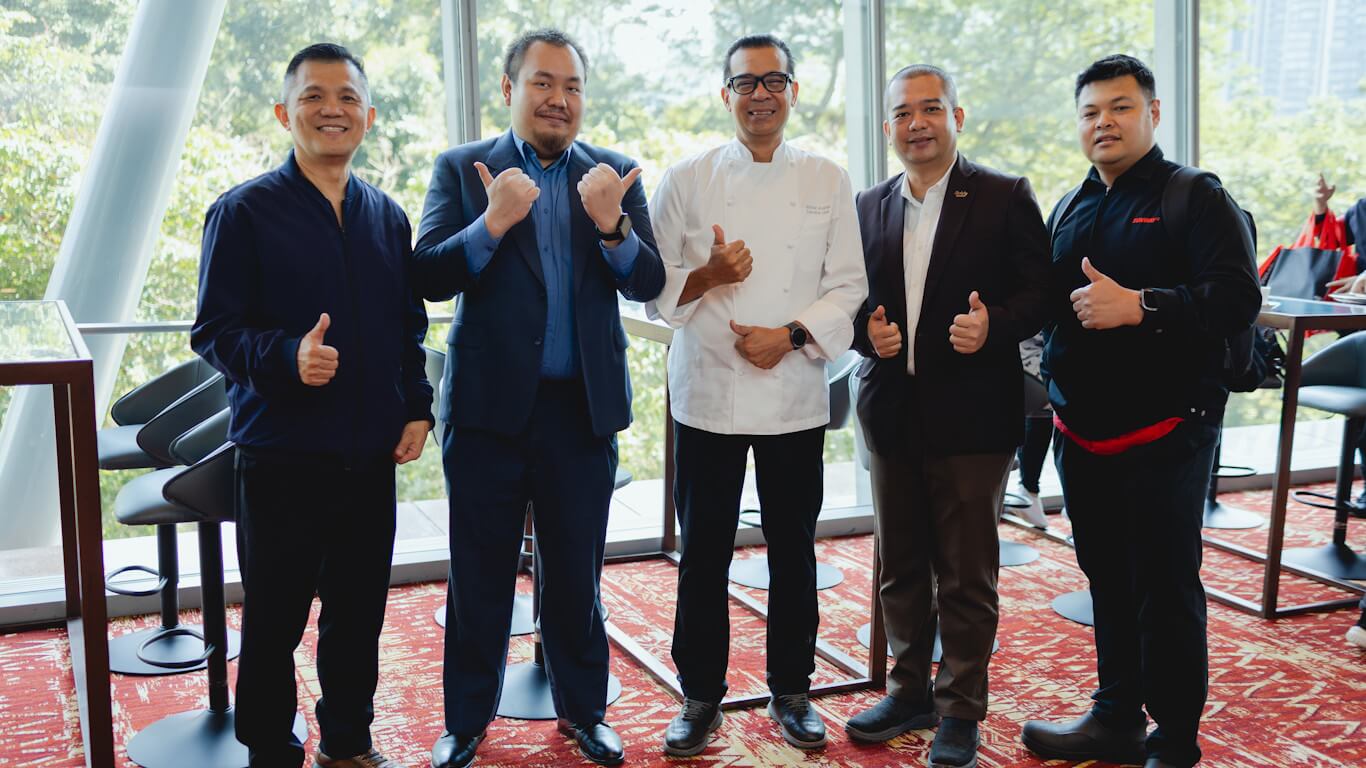
By connecting hospitality professionals, educators and sustainability organisations, this initiative creates stronger knowledge-sharing between industry and future hospitality talent.

As more organisations contribute additional case studies and operational insights, the guidebook is expected to continue evolving over time.

The long-term objective remains clear which are equip future hospitality professionals with practical skills and responsible kitchen practices that can create measurable impact across Malaysia’s hospitality industry.
Photo Gallery

You May Also Like

Ooops!
Generic Popup2