Kuala Lumpur Convention Centre
Get a quote
WhatsApp
Share
October 27, 2026

From Conversation to Action: How APSIC 2026 Strengthened Infection Prevention Across Asia Pacific

APSIC 2026
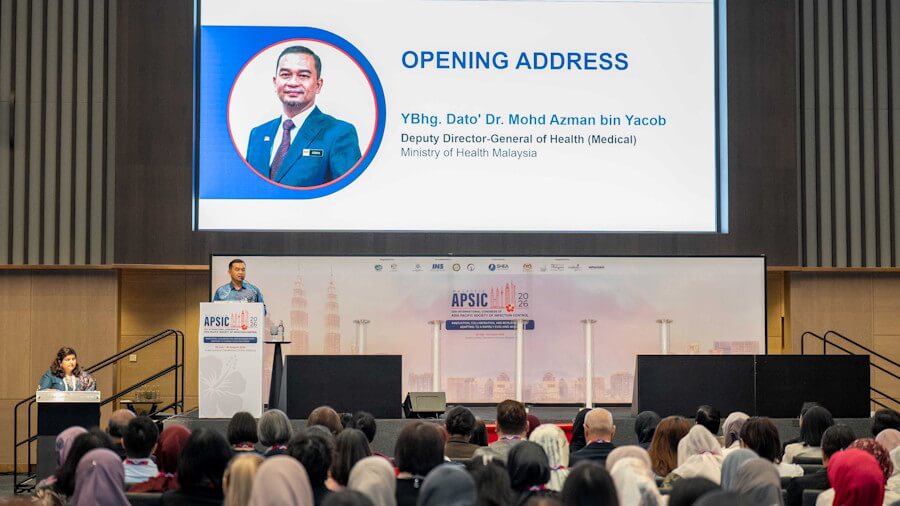
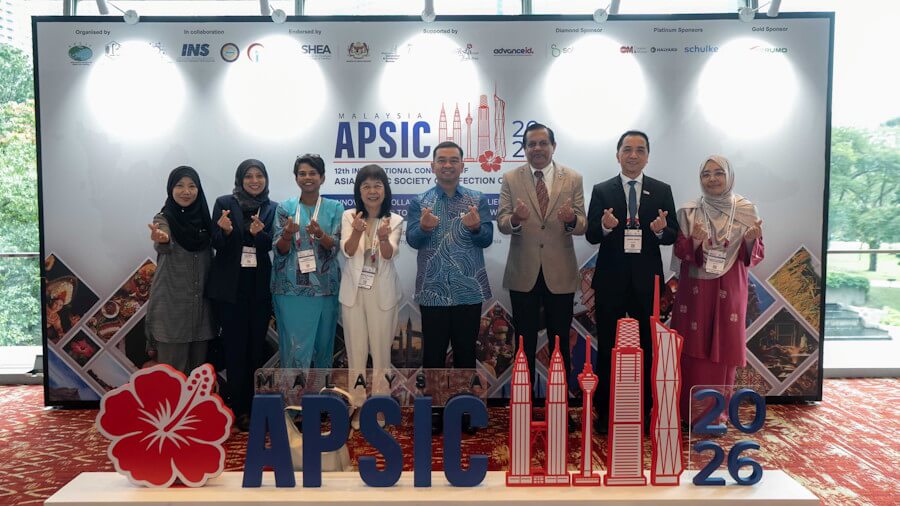
Infection prevention has never been confined to hospital walls. The COVID-19 pandemic brought that reality into sharp focus, demonstrating how quickly infectious diseases can affect communities, health systems and economies across borders. Against this backdrop, the Asia Pacific Society of Infection Control (APSIC) Congress 2026 arrived at a defining moment for healthcare in the region — bringing together around 1,500 delegates to examine how innovation, collaboration and resilience can shape the future of infection prevention.

For Organising Chair Dr Sasheela Sri La Sri Ponnampalavanar, the Congress represented more than a scientific gathering. “APSIC is not just a congress where people just come and listen to others,” she says. “It reflects decades of us building a strong regional community that is committed to our patient safety.”
The timing of the Congress’s return to Kuala Lumpur was equally significant. Over the past decade, Malaysia has strengthened its infection prevention programmes, antimicrobial stewardship initiatives and collaboration across the public and private healthcare sectors. Infection prevention and antimicrobial resistance have also become embedded within Malaysia’s National Action Plan for Antimicrobial Resistance, aligned with the World Health Organization’s global action plan.

This evolving healthcare landscape made Kuala Lumpur a natural meeting point for the regional community. Located at the heart of Southeast Asia, the city combines international accessibility with the infrastructure required for major scientific meetings, while providing an opportunity for Malaysia to share its own progress and learn from healthcare systems across the region.
APSIC 2026
Connecting different healthcare realities

APSIC 2026
One of APSIC 2026’s greatest strengths was its ability to bring together healthcare professionals from countries with very different levels of resources and infrastructure, while recognising their shared commitment to patient safety.

For Dr Sasheela, that diversity is an opportunity rather than a barrier. More developed healthcare systems can support capacity building and knowledge transfer, while practical solutions developed in lower- and middle-income settings can offer equally valuable lessons.

“Some of the most effective infection prevention solutions are not the expensive ones, but actually the simple, affordable, and the ones that can be adapted to local setting,” she explains.
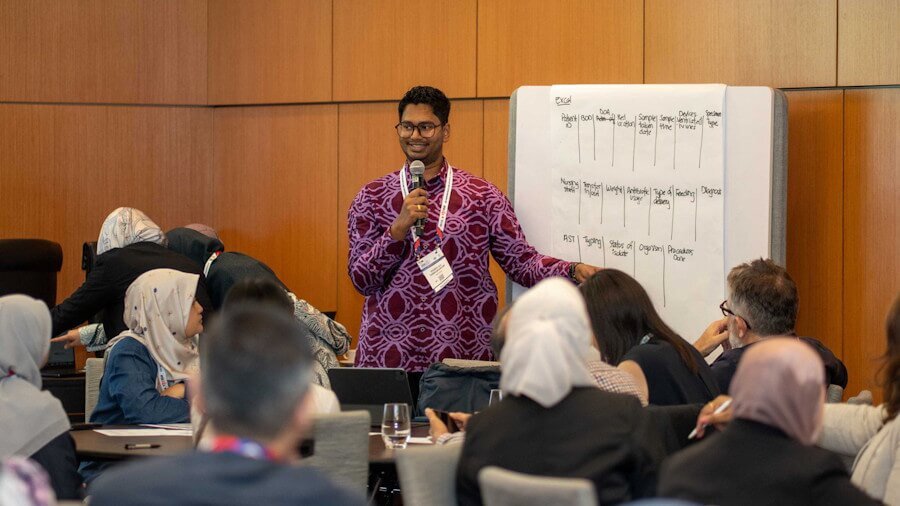
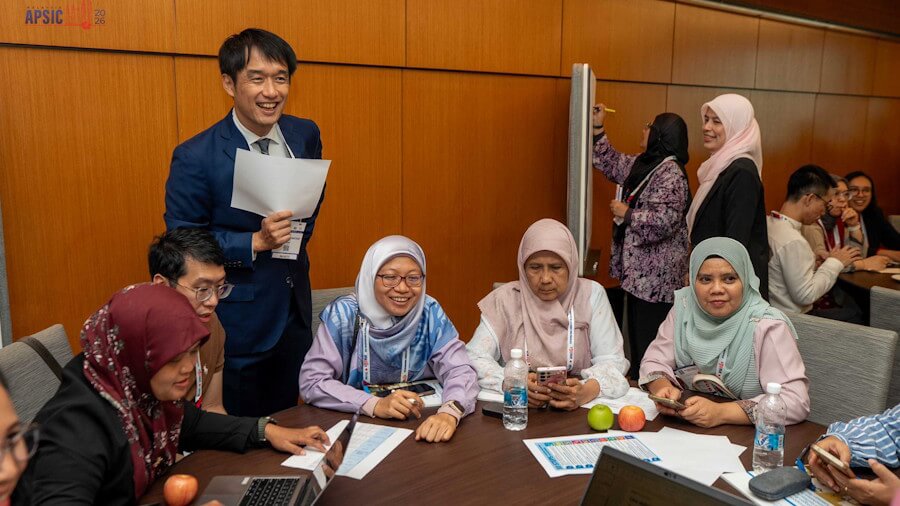
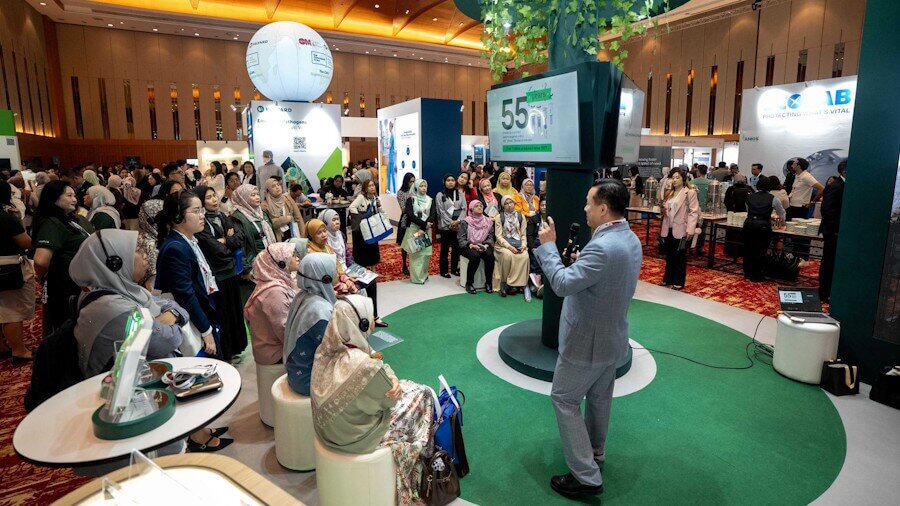
That philosophy was reflected in the Congress programme. Workshops on outbreak management, penicillin delabelling, decontamination and reprocessing, alongside sessions on implementation and behavioural change, were designed to give participants knowledge they could take back into their own healthcare environments. The potential applications range from improving hand hygiene compliance to reducing central line-associated bloodstream infections, surgical site infections and healthcare-associated infections.

In this sense, the value of APSIC 2026 extends beyond the four days of the Congress. Its success is ultimately measured by what happens when delegates return home — whether new collaborations lead to multicentre research, shared education initiatives, stronger professional networks and evidence-based improvements in patient safety.
APSIC 2026
A Congress built on collaboration

APSIC 2026
Delivering that vision required considerable collaboration behind the scenes. The organising committee brought together healthcare professionals from the Ministry of Health, public hospitals and universities, all managing the Congress alongside clinical responsibilities, teaching, research and patient care.

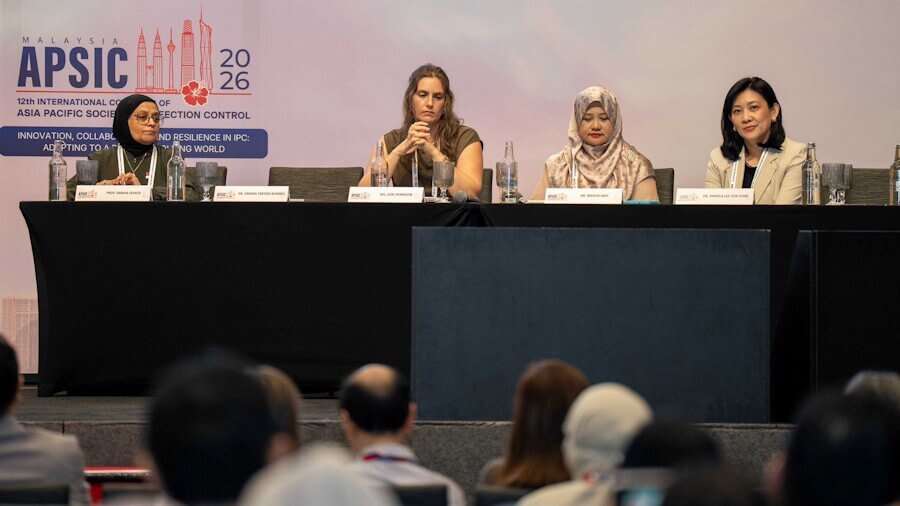
At the same time, the programme brought together international faculty from Asia, Europe and the United States, multiple scientific tracks, workshops, exhibitors and industry partners. Coordinating different organisations, countries, timelines and logistical requirements — while navigating uncertainties affecting international travel — demanded flexibility, communication and teamwork.
Ironically, the values underpinning the Congress theme became the values that enabled the team to deliver it. Innovation, collaboration and resilience were not simply concepts discussed on stage; they were demonstrated throughout the organising process itself.

The reward was evident in the connections formed during the Congress. Dr Sasheela recalls delegates returning to her to share how they had met potential collaborators and were already discussing future work in infection prevention and control surveillance and antimicrobial stewardship. Participants from countries including Indonesia, Thailand and Vietnam also expressed their appreciation for the knowledge, friendships and collaborations they were taking home.
APSIC 2026
More than a venue

APSIC 2026
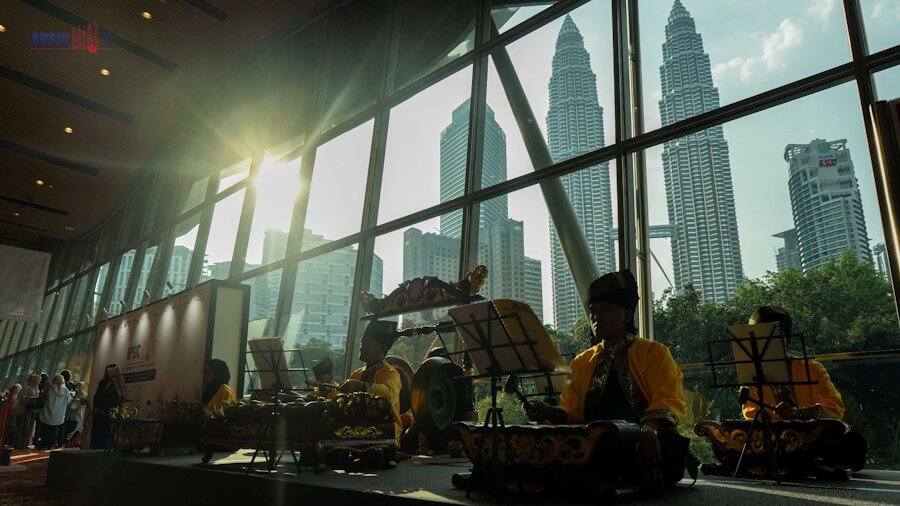
For international delegates, the Congress experience also extended beyond the scientific programme. Kuala Lumpur offered an accessible gateway to Malaysia’s cultural diversity, with participants exploring attractions including Batu Caves, Jalan Alor, the National Mosque and museums during their stay. Cultural experiences incorporated into the Congress reception — including basket weaving, batik painting and traditional Chinese calligraphy — gave delegates an introduction to Malaysia within the event itself.

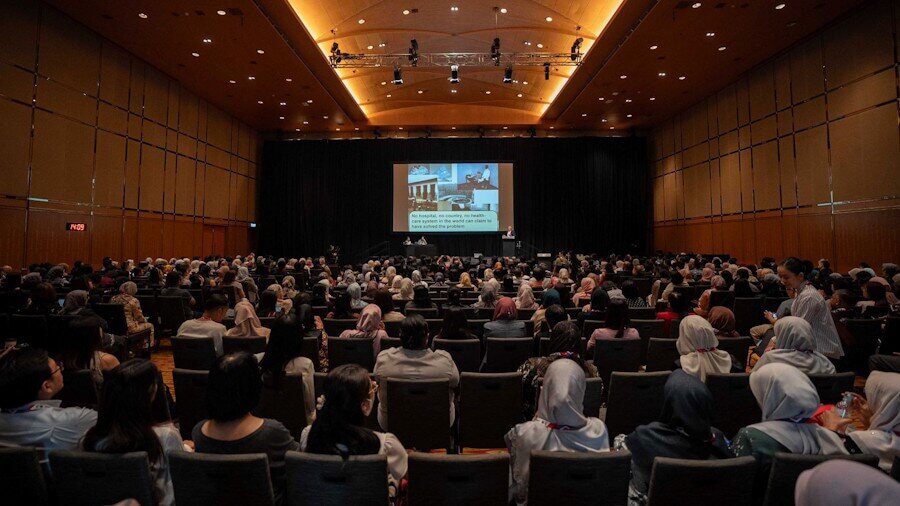
At the Kuala Lumpur Convention Centre, the organising team found a venue that could accommodate both the scale and complexity of the Congress. Capacity for approximately 1,500 delegates, suitable packages, well-equipped halls and the ability to accommodate multiple scientific tracks and plenary sessions were important considerations.
Just as important was the support provided by the Centre’s team. Dr Sasheela describes the representatives as “very forthcoming and very helpful”, particularly in understanding the organisers’ requirements and providing hands-on assistance throughout the planning process.

That partnership helped create an environment where a complex international scientific programme could function seamlessly while the Centre’s location in the heart of Kuala Lumpur gave delegates convenient access to the city, its green spaces, shopping, dining and transport network.

For APSIC 2026, however, the most meaningful measure of success may ultimately be what happens next. If conversations started in Kuala Lumpur develop into research partnerships, new policies, stronger healthcare practices and a new generation of infection prevention leaders, the Congress will have achieved something far greater than a successful international meeting.
APSIC 2026
As Dr Sasheela puts it, the aspiration is for delegates to return home and develop “important collaborations, innovations, and good policies” — with those outcomes tracing their origins back to conversations in Kuala Lumpur.

That is the lasting value of APSIC 2026: not simply bringing the region together but giving its healthcare community the opportunity to turn that collective knowledge into action.
Ooops!
Generic Popup2